Paintless Dent Removal vs Repainting: Which Does Your Dent Need?
Let me be upfront, because it matters for this one: I'm a paint and panel repairer, not a PDR specialist. So when I tell you a dent is a paintless job and you'd be better off with a PDR guy, you know I'm not just steering you toward my own work. The two methods fix different problems, and knowing which yours needs saves you time and money. Here's the honest version.
The one question that decides it
Is the paint broken? That's it. That's the whole decision.
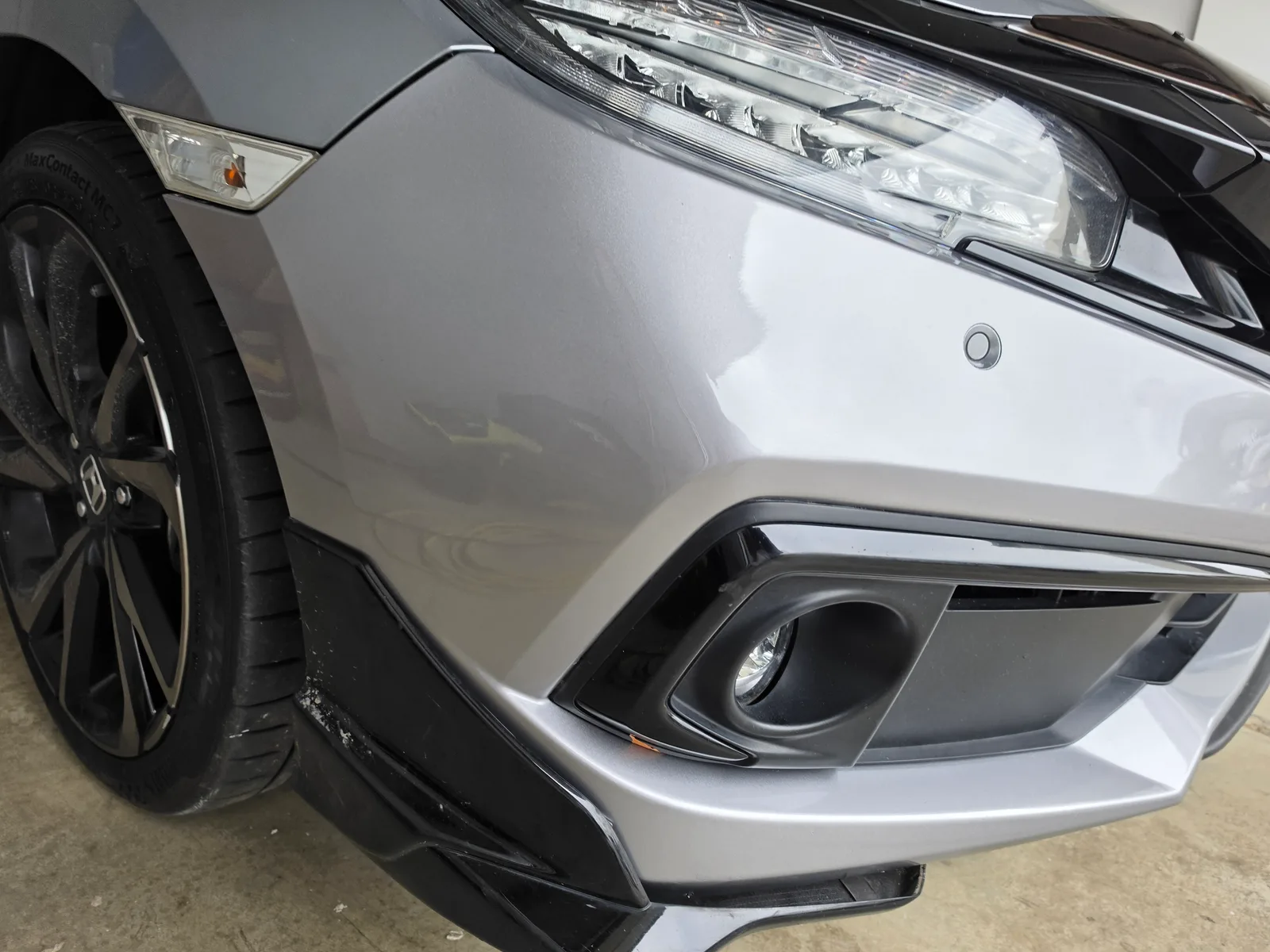
- Paint intact — a clean dent or door ding, no scratch, no cracked paint, metal still fully covered? That's a paintless job.
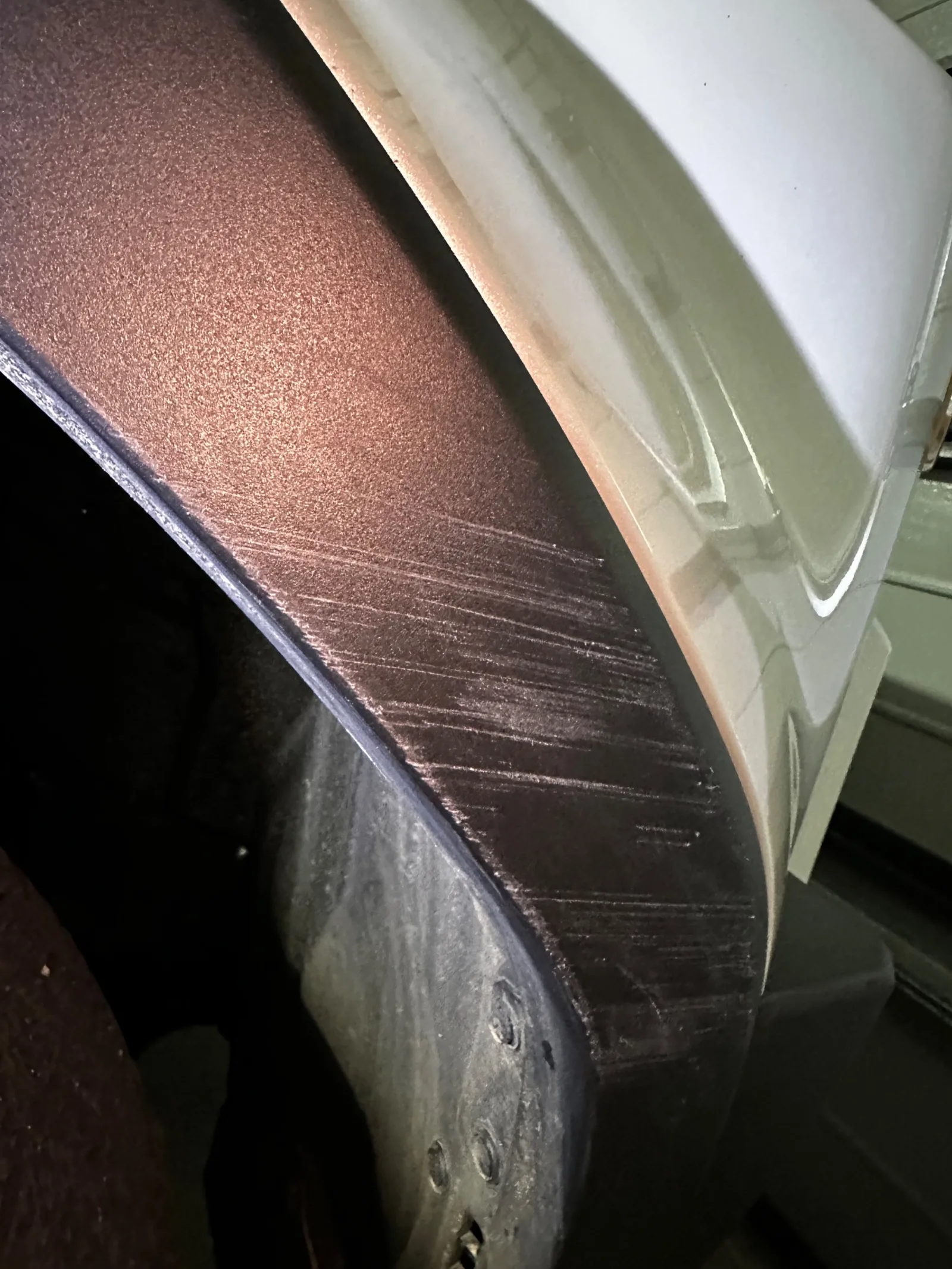
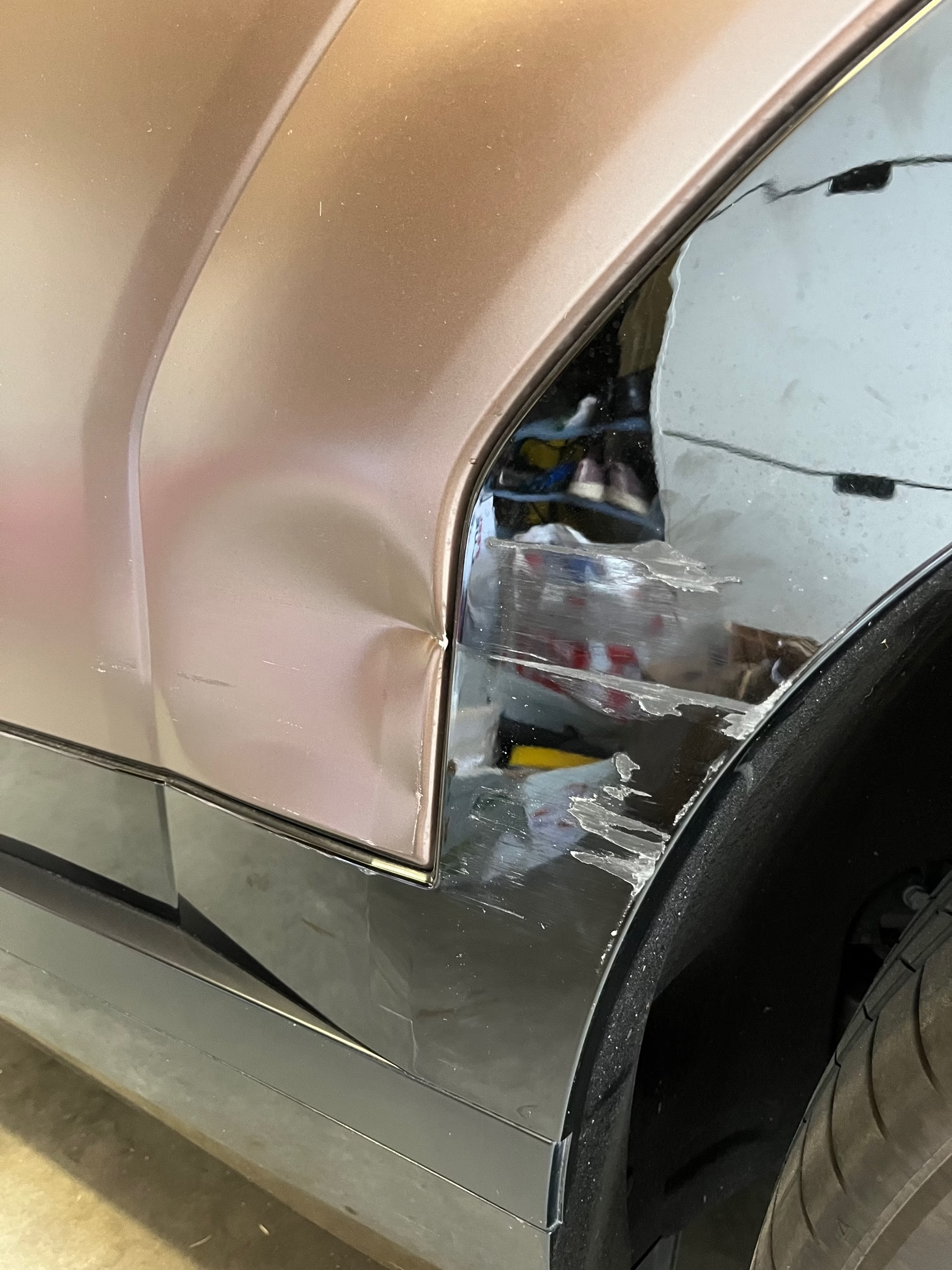
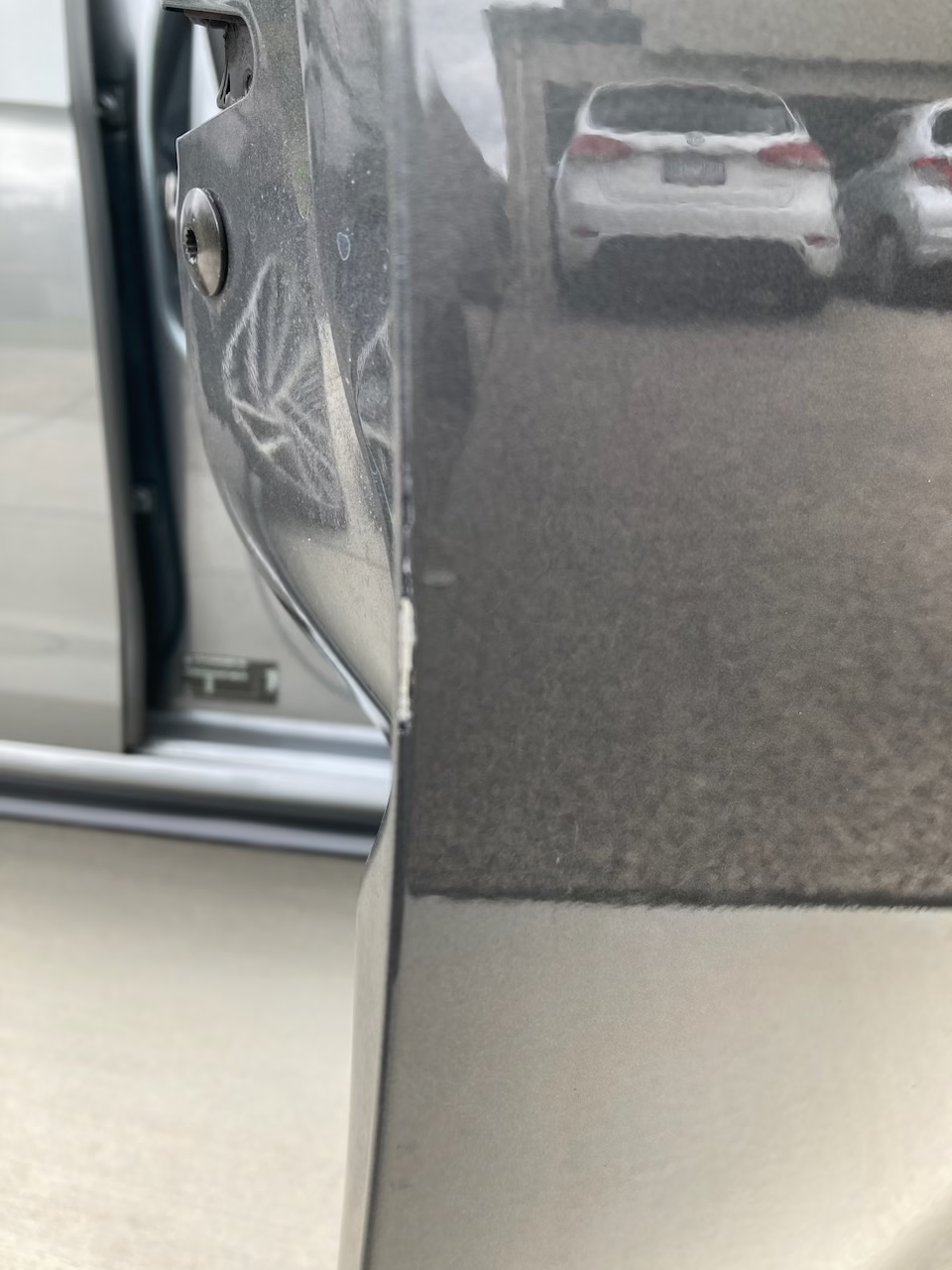
- Paint broken — any scratch, crack, scuff or bare metal in the dent? Paintless can't fix that. It needs filling and repainting, and that's my work.
Run your fingernail over it. If you feel the paint catch or you can see a mark, the surface is broken and no amount of pushing from behind will hide it.
What paintless dent removal actually is
PDR is the technique where a specialist works the dent out from behind the panel with rods, or pulls it from the front with tabs, massaging the metal back to shape. The original factory paint never gets touched — that's the whole point.
It's the right call when:
- It's a clean door ding from the car next to you
- It's hail damage with the paint still intact
- It's a shallow dent with smooth, unbroken paint
- The panel behind the dent can be reached with tools
When it suits, PDR is quicker and cheaper because there's no paint, no drying, no blending. If your dent fits that description, find a good PDR specialist — I'm happy to point people in the right direction.
What traditional (paint) repair is
This is what I do. When the paint's broken, or the dent's too sharp or creased for the metal to be massaged back cleanly, a dent-and-paint repair works the panel back into shape, fills and levels it where needed, then primes, colour-matches, paints and clears it. It's more involved than PDR, but it's the only way to get a broken or creased panel looking right again.
It's the right call when:
- There's a scratch, crack or scuff in or around the dent
- Metal or primer is showing
- The dent has a sharp crease or a stretched edge
- It's on a body line or a tight curve
- There's been a previous repair or filler in that spot
Honestly, most dents I'm called out to fall here — because most dents that bother people enough to fix have broken the paint. A trolley dent, a car-park knock with a scuff, a crease from a tight garage: paint's involved, so PDR's off the table.
Cost and time, side by side
PDR is generally cheaper and faster for the dents it suits — there's no materials or paint time. Paint repair costs a bit more because you're paying for colour matching, paint and the blending that makes it disappear. But comparing them directly is the wrong way to think about it: they're not two prices for the same job. The damage decides the method, and the method decides the price.
How to tell which you've got
Easiest thing: send me a couple of clear photos. I'll tell you straight whether it's a paintless job — in which case I'll say so and you can save money with a PDR specialist — or whether the paint's gone and it needs respraying, which is what I do. Either way you get an honest answer, not a sales pitch.
Send me a photo of your dent
I do mobile dent-and-paint repair at your home or work across Craigieburn, Epping, Broadmeadows, Greenvale and Melbourne's north. Send a photo or call 0493 932 068 and I'll tell you exactly what your dent needs.